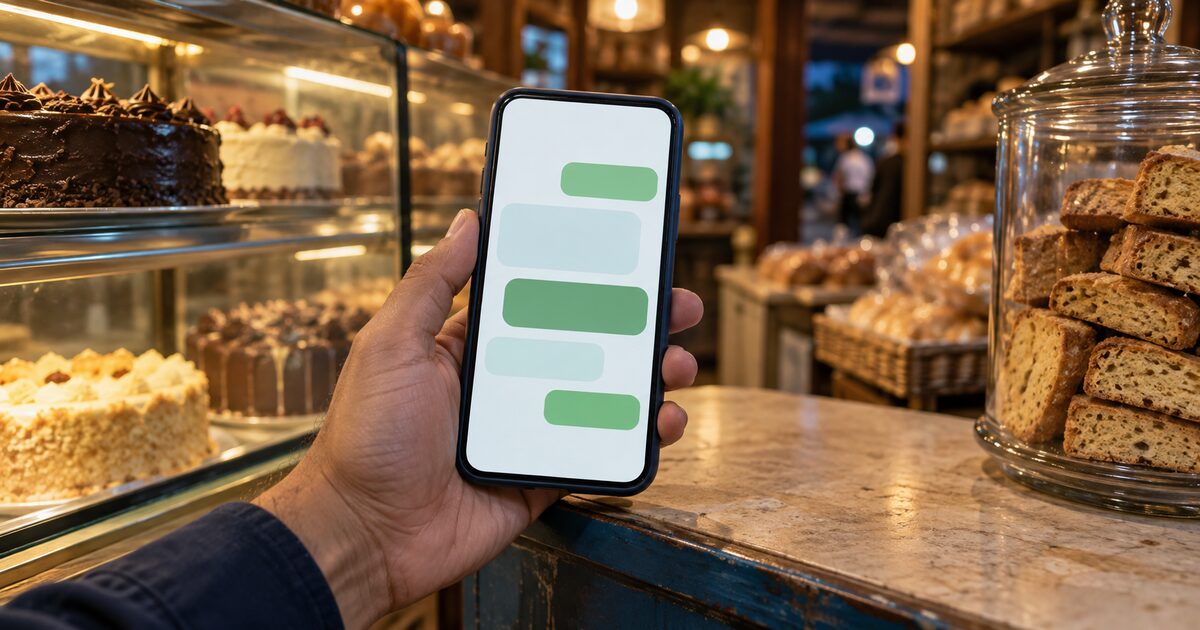

It is 11 at night. Your shop is closed, your phone is on the charger, and three people have just messaged the same question: "Price? Delivery to Bahria?" By morning, two of them have bought from someone who replied first.
That is the problem people hope an AI chatbot will solve. Sometimes it does. Sometimes it is money spent on something a saved reply could have handled. This post explains the difference.
What can an AI chatbot do for a small business?
An AI chatbot for a small business does three jobs well: it answers the questions you get again and again, it collects a customer's details so you can follow up, and it takes bookings. It works on your website or WhatsApp, at any hour, in Urdu or English. It cannot make decisions for you, handle an angry customer, or know anything you have not told it. It always needs a way to hand the chat to a real person.
So think of it as a well-trained receptionist for routine messages, not as a salesperson or a manager.
Which jobs is a chatbot actually good at?
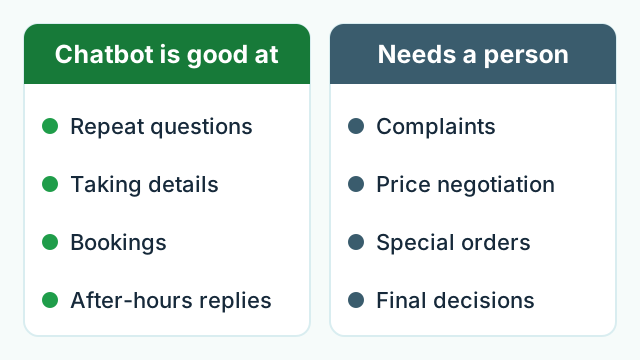
Answering repeated questions. Timings, location, delivery areas, sizes, what is included, how to pay. If you type the same answer many times a day, a bot can type it for you, in the customer's own language, the moment they ask.
Capturing leads. Instead of a customer leaving because nobody replied, the bot asks for their name, number and what they need, then passes that to you. In the morning you have a list of people to call rather than a row of unanswered chats.
Taking bookings. For appointments, table reservations or site visits, the bot can offer the free slots, confirm one and note it down for your team.
Sorting messages. It can work out whether a message is a new enquiry, an existing order or a complaint, and send it to the right person.
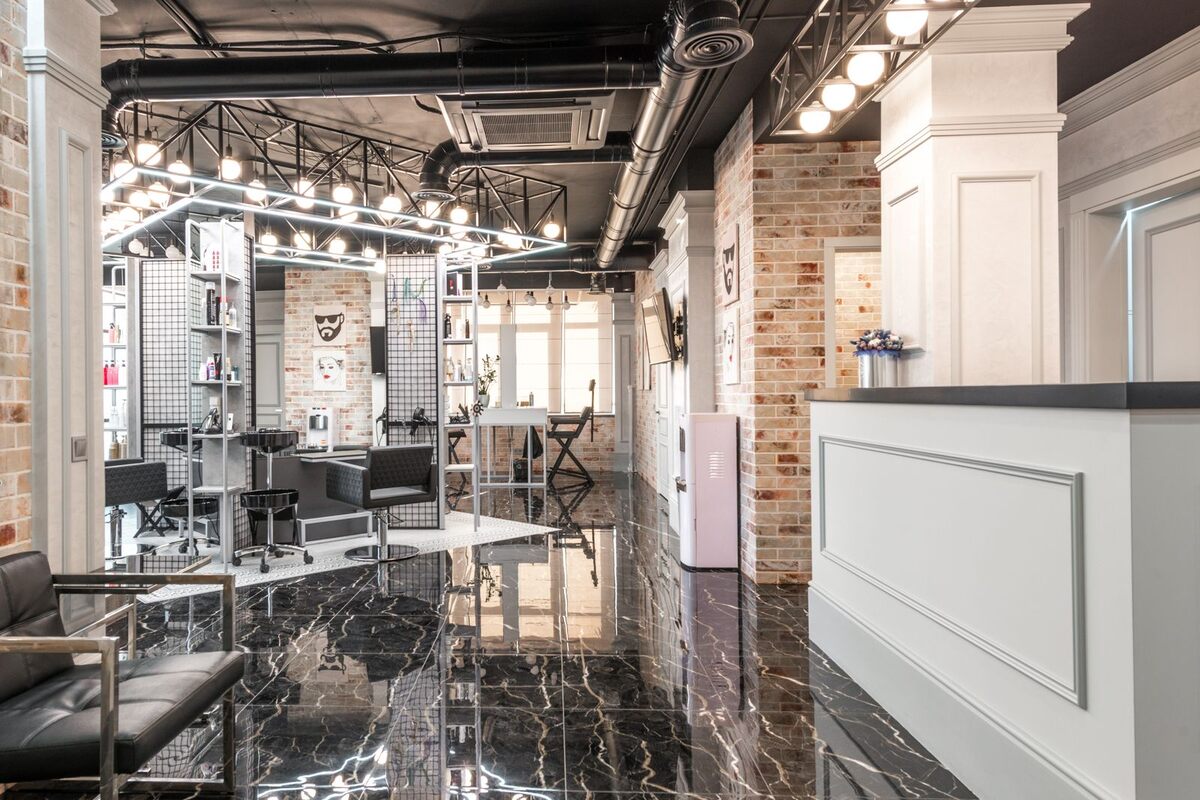
Say you run a salon in Gulberg. Most messages are "what are your bridal package timings?" and "are you open on Sunday?" A bot can answer those and book the appointment, while your staff stay with the clients in the chair.
What can a chatbot not do?
This is the part most sales pitches skip.
- It does not know your business until you teach it. It answers from the information you give it: your prices, policies, stock and timings. If that information is out of date, the bot gives out-of-date answers, confidently.
- It can get things wrong. AI can produce an answer that sounds right and is not. A good setup limits the bot to your own information and tells it to say "let me connect you to our team" when it is unsure. A bad setup lets it guess.
- It should not negotiate or promise. Discounts, special orders, refunds and delivery promises are your decisions. The bot should collect the request and hand it over.
- It is bad at upset customers. Someone with a complaint wants a person. A bot that keeps replying cheerfully makes it worse.
- It will not bring you customers. A chatbot answers people who already messaged you. It does not replace marketing, a clear website or a good product.
Say you are a spare-parts dealer in Karachi and a mechanic asks whether a part fits a particular model, and whether you can do a better rate on ten pieces. The first question needs your knowledge and the second needs your decision. The bot's job there is to take his number and tell him when you will call.
Why does every chatbot need a human handover?
Because the messages a bot cannot handle are often the most valuable ones: the big order, the unhappy customer, the unusual request.
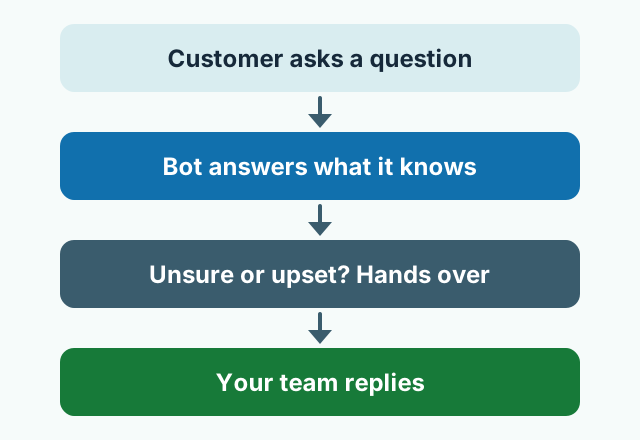
A proper handover means three things. The customer can ask for a person at any point. The bot passes the chat on by itself when it does not know the answer. And your team sees the conversation so far, so the customer does not have to repeat everything.
On WhatsApp this is not only good manners. WhatsApp's own messaging policy asks businesses that automate replies to give customers a clear way to reach a person. We explained that in our post on Meta's rules for business bots on WhatsApp.
Do you need an AI chatbot, or is something simpler enough?
Often, something simpler is enough. The free WhatsApp Business app already gives you an away message, quick replies and a catalogue. If you get a handful of messages a day and can answer them yourself, start there and spend nothing.
A menu bot ("reply with the option you want") is the next step. It is predictable, and it suits businesses whose questions fit a short fixed list.
An AI chatbot earns its place when you have many repeated questions, messages arriving after hours, and customers who write in their own words rather than choosing from a menu. Say you run a tuition academy in Faisalabad and admission season fills your phone with fee, timing and syllabus questions from parents, each phrased differently. That is a good fit.
For scale at the other end: we built a custom customer-support agent for Priority Tire, a high-volume American tire retailer. Their storefront is their own and we did not build it; our part was the support agent. You can read what we did, and did not do, on our case studies page. A neighbourhood business needs something far smaller, and should pay for something far smaller.
We do not publish a starting price for chatbots, because the work depends on where the bot runs and what it must do. We quote it in writing after a short call, the same way as the rest of our services.
Before you pay for a chatbot: a quick checklist
- Write down your most common questions and your real answers. If you cannot fill a page, you may not need a bot yet.
- Try the free tools first: away message, quick replies, catalogue.
- Decide who takes the handover, and during which hours.
- Ask to test it yourself, with messy real messages in Roman Urdu, before you approve it.
- Ask who updates the answers when your prices or timings change, and what that costs.
- Make sure the accounts are in your name, so you are never locked in.
If you are not sure which side of the line you are on, send us a short message with the questions your customers ask most. We will tell you honestly whether a chatbot is worth it, or whether a saved reply will do.
Frequently asked questions
Will an AI chatbot replace my staff?
No. It takes the repeated questions off their plate so they have time for the customers who need a person. Complaints, negotiation and unusual requests still go to your team.
Can the chatbot reply in Urdu or Roman Urdu?
Yes. A chatbot can reply in Urdu or English, and it can usually follow the mixed Roman Urdu most customers type. We test it with real example messages from your own chats before it goes live.
How much does an AI chatbot cost?
We quote it per project after a short call, because the price depends on where it runs and what it has to do. There is no public starting price yet.
What do I need to give you before a chatbot can be built?
Your real information: prices or price ranges, timings, delivery areas, policies, and the questions customers ask most. The bot can only be as accurate as what it is given.
What happens when the bot does not know the answer?
It should say so and pass the chat to a person, with the customer's name and question attached. A bot that guesses is worse than no bot.